
How to Turn Your Travel Knowledge Into a Product People Actually Buy

Elad Yaakov
Tripix Co-Founder and CEO
Last updated July 21, 2026
If you've ever answered the same travel question for the tenth time this month, you already have the raw material for a product. This guide walks through what that product actually looks like, why so many travel guides stop working the moment they're sold, and a step-by-step way to package what you know, whether that knowledge lives on a feed, in a destination, or in a client's inbox.
A sellable travel product is any packaged version of your travel judgment (a destination guide, a day-by-day itinerary, a self-guided tour, or a planning consultation) that someone can buy once and use to make real decisions, instead of asking you directly. The best versions stay accurate after the sale, because travel information changes: restaurants close, prices move, a neighborhood gets better or worse. A product that goes stale the day it's sold is really just a file. A product that stays current is something people trust enough to buy again.
The Demand Is Already There

Before talking about formats or pricing, it's worth naming the thing that's actually happening: people are already asking you for this.
"Can you send me your Japan itinerary?" "Where did you stay in Lisbon?" "What would you do with five days in Iceland?" If you're a travel creator with any kind of engaged following, these questions aren't occasional: they're a pattern. And right now, every one of them starts from zero. You type out an answer, it disappears into a DM thread, and the next person asks the same thing next week.
That repetition isn't a sign you need to post more. It's a sign the answer is worth more than a DM. The people asking aren't casually curious. They're planning a trip and they've already decided your judgment is the input they trust most. That's the starting material for a product: not a new idea, just the advice you're already giving, written down once and made available to everyone who's going to ask it anyway.
What Actually Counts as a Sellable Travel Product
"Travel product" covers more ground than people expect. In practice, most creators and guides end up selling one of a few formats:
- Destination guides: recommendations organized by neighborhood, category, or trip length (where to eat, where to stay, what to skip).
- Day-by-day itineraries: a full trip laid out in order, the format closest to what people are usually asking for when they say "send me your itinerary."
- Self-guided tours: a route or set of stops meant to be followed in person, often built around a city or region you know well.
- Consultations: a paid, personalized version of the advice you'd normally give for free, for people who want something built around their specific trip.
None of these require you to become a different kind of business. They're the same judgment you already share, organized well enough that someone can pay for it and get their money's worth.
Where the Intent Usually Dies
Here's the part that trips most people up: the demand being obvious doesn't mean it converts. Someone comments "I need this itinerary" and then nothing happens, because there's nowhere for that intent to go. It sits in a saved post, a Notion link, a PDF buried in a Linktree, or an affiliate link that pays out a fraction of what the recommendation is actually worth. The interest is real. The path from "I want this" to "I paid for this" just doesn't exist yet.
This is usually the highest-leverage fix available to a creator sitting on real demand: not making more content, but giving the content that's already working somewhere to be bought. A single, findable place where someone can go from "I need your Japan itinerary" to owning it, in the same amount of time it takes to read a caption.
The Problem With Selling a File
Say you do build something: you spend a weekend putting together a proper guide, price it fairly, and it sells. Good. Then two months later, the restaurant on page 4 closes, or a hotel you recommended changes ownership, or prices move enough that your numbers look wrong. Everyone who already bought the guide is stuck with the outdated version, and you have no way to reach them.
There's a second problem with selling a file, and it has nothing to do with staleness: once it's out, it's out. A PDF gets forwarded to a friend planning the same trip, screenshotted into a group chat, or dropped into a shared folder so five people can split the cost of one guide. You have no way to know any of that happened, and not much you could do about it if you did. The file doesn't know or care who paid for it.
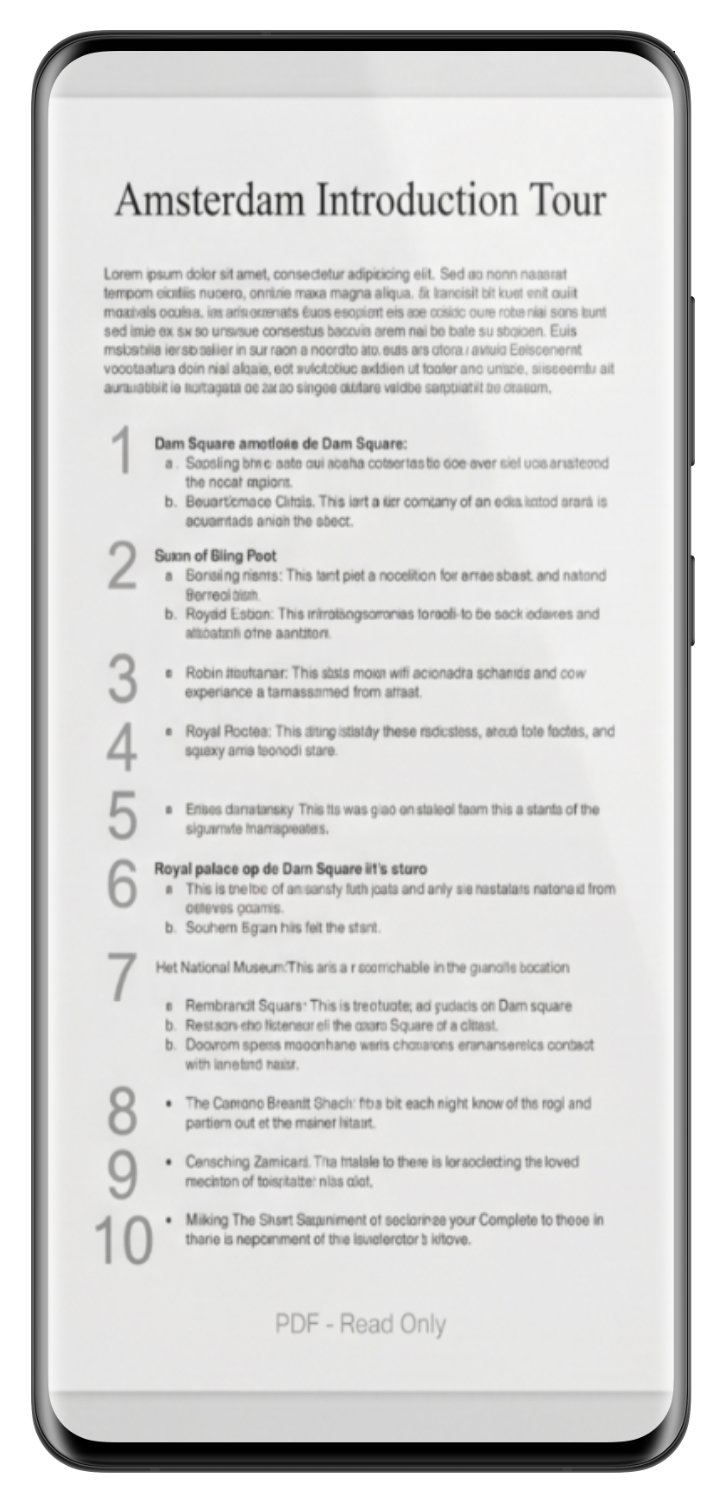
Before: a file, correct on the day it was sold.
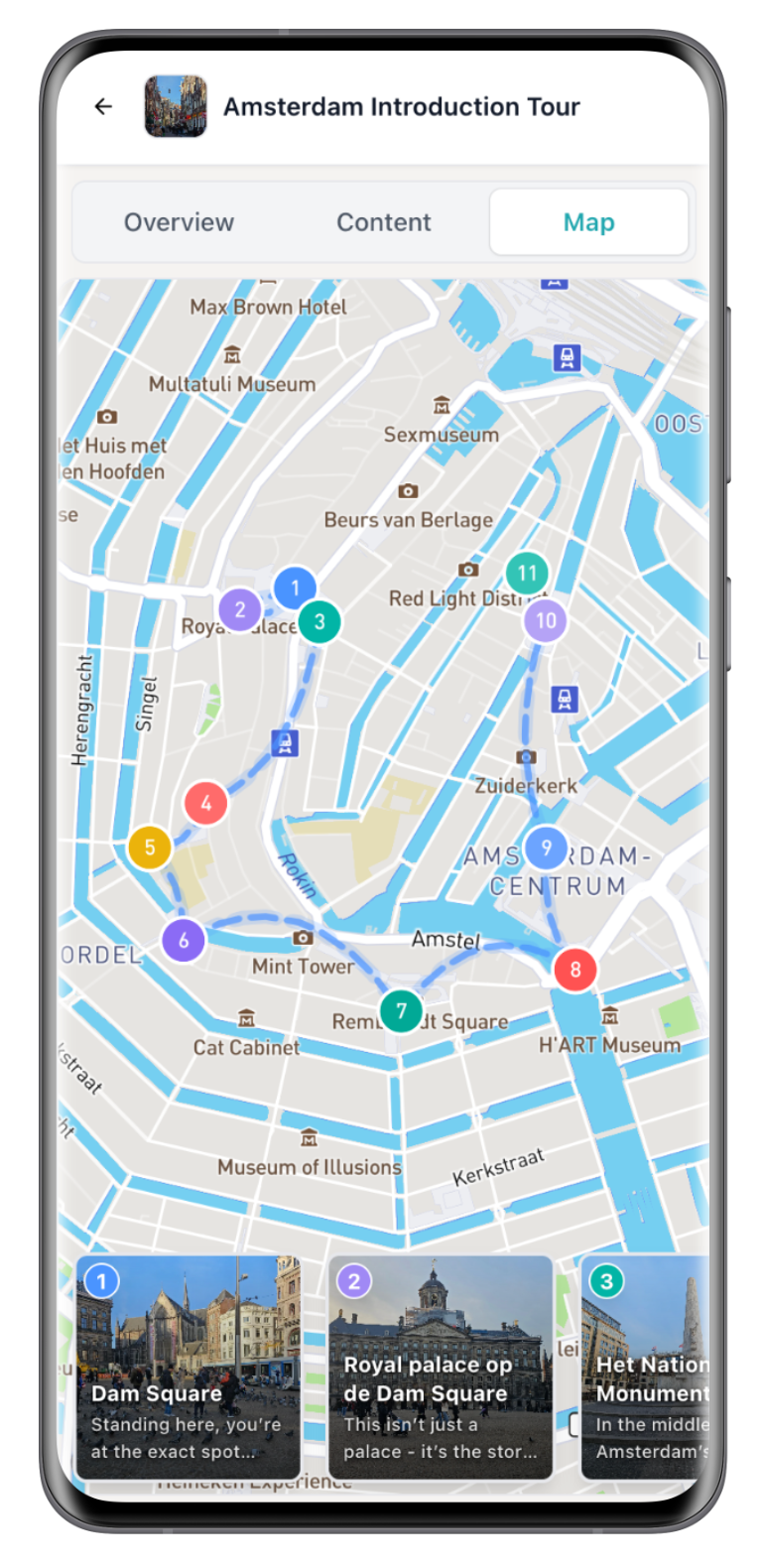
After: a living page, current for every buyer, past and future.
Both problems trace back to the same root cause: a file is a copy, not a connection. The moment it leaves your hands, it's disconnected from you. It can't be corrected, and you can't tell who's actually using it. That's what makes "selling a file" the quiet failure mode of most travel products: a worse experience for the buyer whose information goes stale, a maintenance burden for the creator who dreads updating anything since updating usually means starting over, and no real link between the person who paid and the person actually reading it.
The alternative is a product that's a page tied to your buyer's account, not a file that anyone with a copy can open. You fix the listing once, and everyone who bought it sees the correction automatically, without you re-sending anything or rebuilding a file. And because there's no separate file changing hands, there's at least a gate where a raw PDF has none: someone has to buy access and sign in to see it, instead of a copy working for whoever happens to receive it. That single shift changes what "buying a guide" means for the customer, from "I own a snapshot of your opinion in June" to "I own your current opinion, whenever I need it." Internally, this category of product (recommendations that stay useful after purchase) is what we call a Living Travel Product. The name matters less than the behavior: buy once, stay current, and it's actually yours.
A Step-by-Step Way to Package What You Know
If you're starting from nothing, here's a practical sequence that works whether you're building your first guide or your fifth.
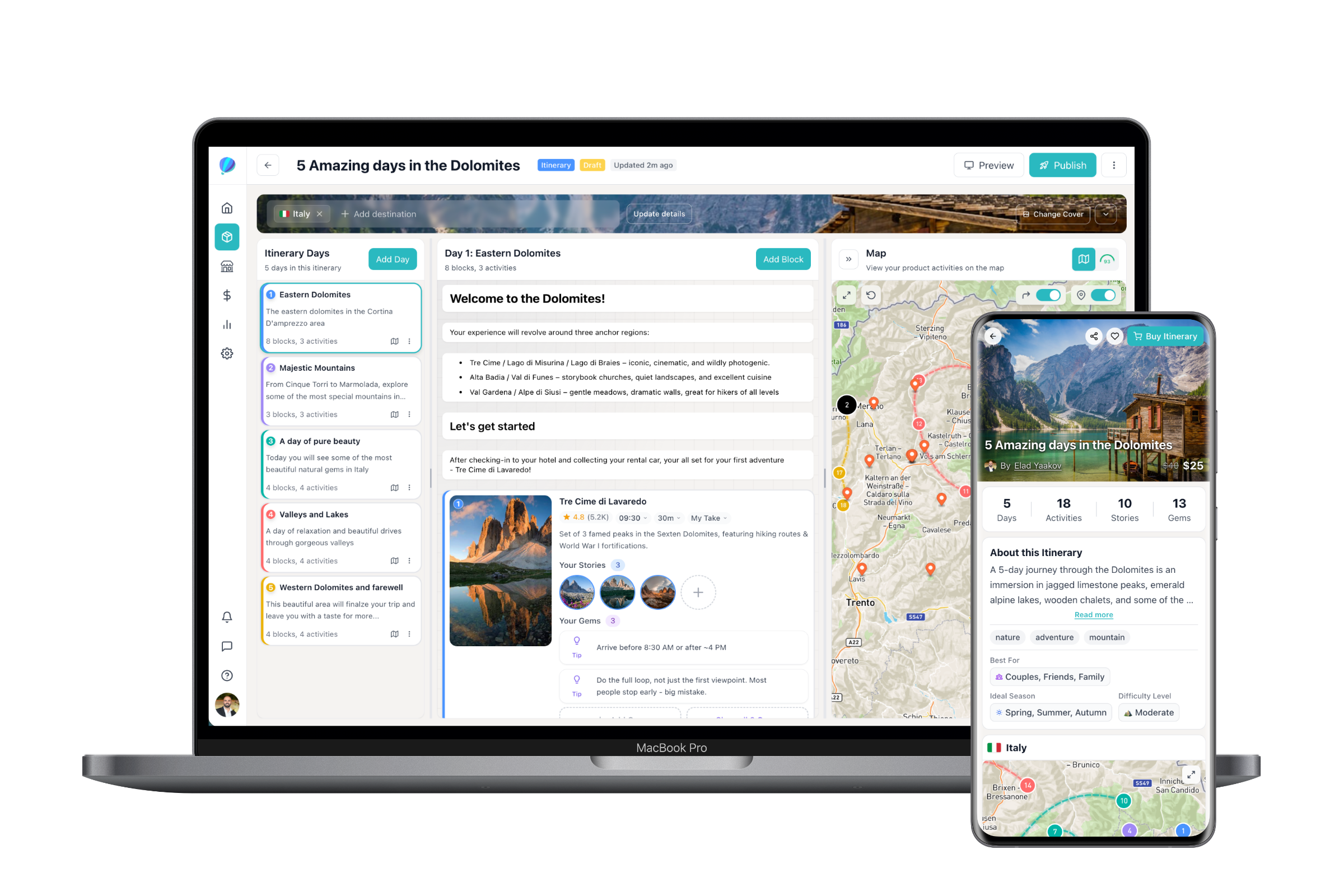
Start with your most-repeated question.
Not your best content, your most-asked question. Look through your DMs and comments for the thing you've answered more than five times. That's your first product, not a hypothetical one.
Match the format to how people already ask.
If people ask "what would you do for a week in X," build a day-by-day itinerary. If they ask "where do I eat/stay/go," build a destination guide organized the same way. Don't force people into a format they didn't ask for.
Write from your decisions, not general information.
The value isn't "here are ten restaurants in Lisbon": that's a Google search. The value is "here's where I ate on three trips and why I'd skip the fourth place everyone recommends." Opinion and specificity are the product; neutral information is free everywhere else.
Price it like advice, not like a file.
A PDF feels like it should cost $5. A confident recommendation from someone who's actually been there (the kind of thing a friend would text you before a trip) is worth considerably more than that, and pricing it too low undersells the judgment inside it.
Launch to the people already asking.
You don't need a big audience to sell your first version. You need the people who already asked the question. Send it to them directly before you ever think about wider distribution.
Treat the first version as a start, not a finish line.
The guide you publish in week one won't be the one people are still buying in month six. Build the habit of updating it as things change, and let that be the reason people trust the second purchase as much as the first.
If Your Expertise Lives in a Place, Not a Feed
Not everyone doing this work is a content creator. If you lead tours, run food walks, or work as a local guide, the pattern is familiar in a different shape: the same recommendations, answered for free, at the end of every tour ("where should we eat tonight," "is it worth going to the other island," "what would you skip"). You give a great answer because that's the job, and then the relationship ends when the tour does.
The fix looks the same as it does for creators: turn that end-of-tour answer into something guests can buy on the way out, or find later when they're planning the rest of the trip. It doesn't require a following or a content strategy. It requires packaging the advice you already give verbally, in the room, for free, into something that keeps earning after you've said goodbye to that group.
When Advice Turns Into Something Bigger
For some people, this naturally grows past guides and itineraries into higher-touch planning: building full trips for individual clients, one at a time. That's a real and valuable business, but it comes with its own bottleneck: every itinerary is built from scratch, expertise gets shared during the planning conversation before any money changes hands, and revenue only scales with hours worked.
The way out isn't to stop doing bespoke work. It's to build the reusable products first (the guides and frameworks you reach for on every project) so that a personalized consultation becomes something you layer on top of existing work, instead of something you rebuild from zero every time a new client asks.
Common Questions
Do I need a big following to sell a travel guide?
No. What predicts whether a first product sells isn't audience size. It's whether people are already asking you the questions it answers. A smaller, engaged audience that keeps asking for your itinerary is a better starting point than a large audience that doesn't.
What's the difference between a static guide and a living one?
A static guide is a file: a PDF or download that reflects what was true the day it was made. A living guide is a listing that updates in place, so every past buyer automatically sees the current version instead of the one they originally bought.
How much should I price a travel guide?
Price it based on the specificity and trust behind the recommendations, not the format. A short, opinionated guide built from firsthand experience is usually worth more than a longer generic one, because the thing being sold is judgment, not word count.
Can I sell more than guides, like tours or consultations?
Yes. Guides, day-by-day itineraries, self-guided tours, and paid consultations are all versions of the same underlying product: your travel judgment, packaged for a specific way someone wants to use it.
What happens to sales if my recommendations change?
With a living product, you update the listing once and every past buyer sees the correction automatically. With a static file, past buyers keep the outdated version unless you manually resend it, which is the core reason static guides quietly lose trust over time.
What stops someone from just forwarding my guide instead of paying for it?
Nothing stops a screenshot of anything on the internet. That's true of every platform, not a Tripix-specific gap. What's different is that a Tripix guide isn't a standalone file to begin with, so there's nothing to attach and forward in the first place: it's a page tied to your buyer's account, unlocked because they bought it and are signed in, the same as any other purchase-gated web product. It won't stop someone determined to work around that, but it removes the casual version: there's no PDF sitting in a Downloads folder that gets forwarded to a group chat without a second thought.
The Outcome
None of this requires becoming a different kind of business. You're already doing the work: answering the questions, building the itineraries, walking people through decisions they'd otherwise make blind. The only thing missing is a place for that judgment to become something people can buy, that keeps paying you after the first sale instead of resetting every time you post.