
Why Your Travel Guide Should Never Be Finished

Elad Yaakov
Tripix Co-Founder and CEO
Last updated August 1, 2026
Most travel guides are treated like books: write them, export them, call them done. That mindset made sense when the deliverable was a PDF sitting in someone's downloads folder. It makes almost no sense for travel information, which starts decaying the moment you hit export.
Restaurants close. Opening hours shift. A neighborhood you loved last year gets overrun. A tip that was gold in March is wrong by October. If your product freezes at purchase, every buyer is slowly getting a worse version of your expertise — and there's nothing you can do about it without sending a new file and hoping they open it.
Your expertise shouldn't be a PDF. It should be a product that keeps getting better — for you and for everyone who already bought it.
The Hidden Cost of "Finished"
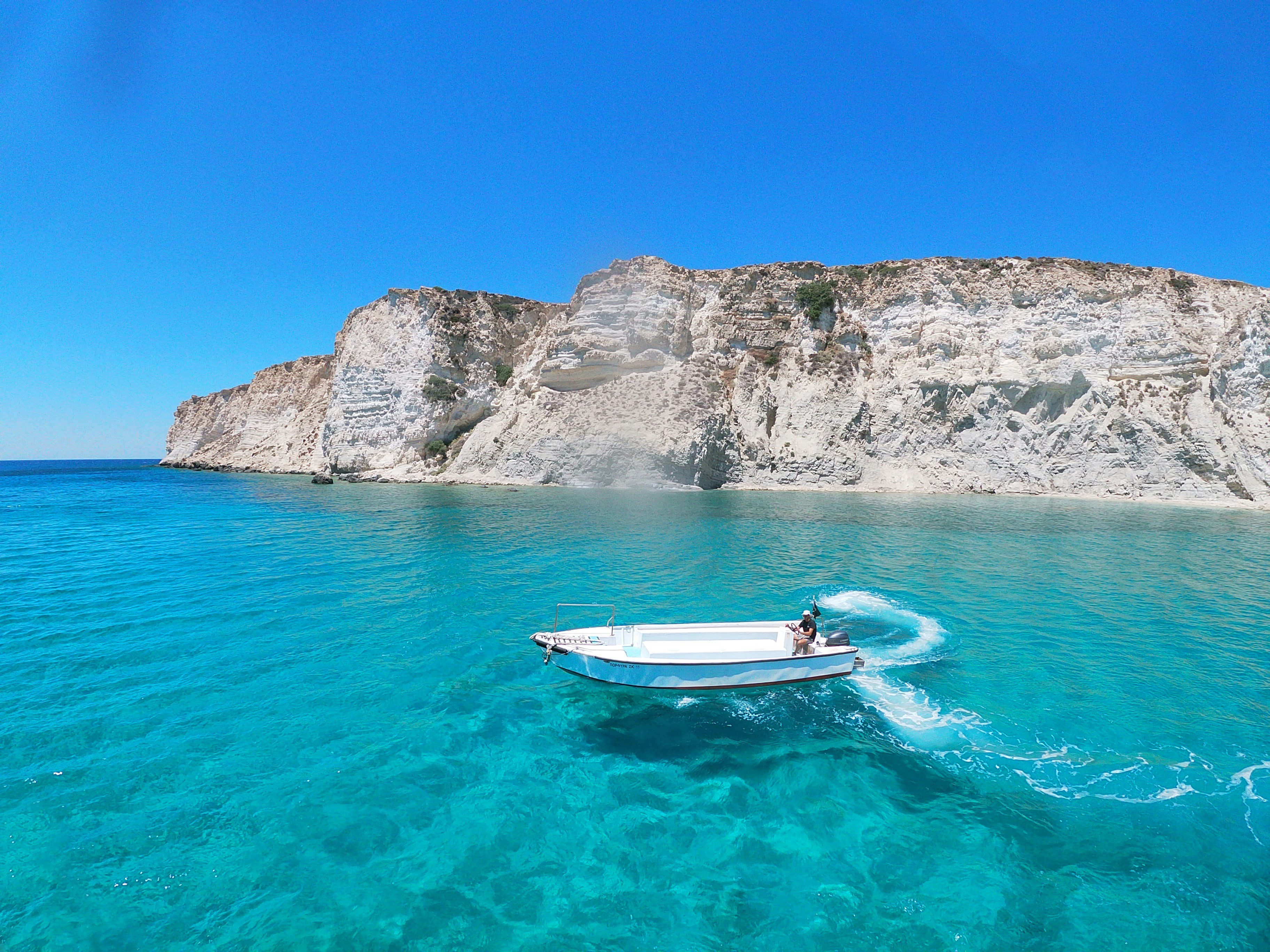
"Finished" feels productive. You shipped. You can move on. But for a travel guide, finished usually means outdated. The traveler who bought your Lisbon guide three months ago and is flying next week is the one who needs yesterday's update about the restaurant that closed — not the version you froze when you sold the first copy.
Static files also punish the creators who care most. The more you learn on the next trip, the more your old product quietly misrepresents you. You either rebuild and re-send (and still wonder who has which version), or you leave bad advice in the wild under your name.
Living Products Flip the Math
A living travel product is built for the fact that travel changes. You edit once in your storefront — swap a closed spot, add a new tip, tighten a day — and every past buyer sees the update automatically. The product doesn't die after purchase. It compounds.
That changes what you're really selling. You're not handing someone a snapshot of your knowledge on a random Tuesday. You're selling ongoing access to your judgment — the same judgment that made them trust you in the first place — packaged as an interactive experience with maps, media, and structure they can use while they're actually on the trip.
- Update once: fix a place, add a tip, refresh a route — no resending files.
- Every buyer stays in sync: someone who purchased months ago gets the same latest version as someone who buys today.
- Your reputation stays current: the product in their pocket matches what you'd recommend this week.
Why This Turns a Guide Into an Asset
When a product can improve after the sale, each launch stops being a one-off event. Every trip you take, every DM that reveals a gap, every season that changes a destination can feed back into the same listing. Past buyers get more value. Future buyers buy a stronger product. Your catalog gets sharper without starting from zero each time — the same compounding logic we explore in our guide to turning travel knowledge into a product.
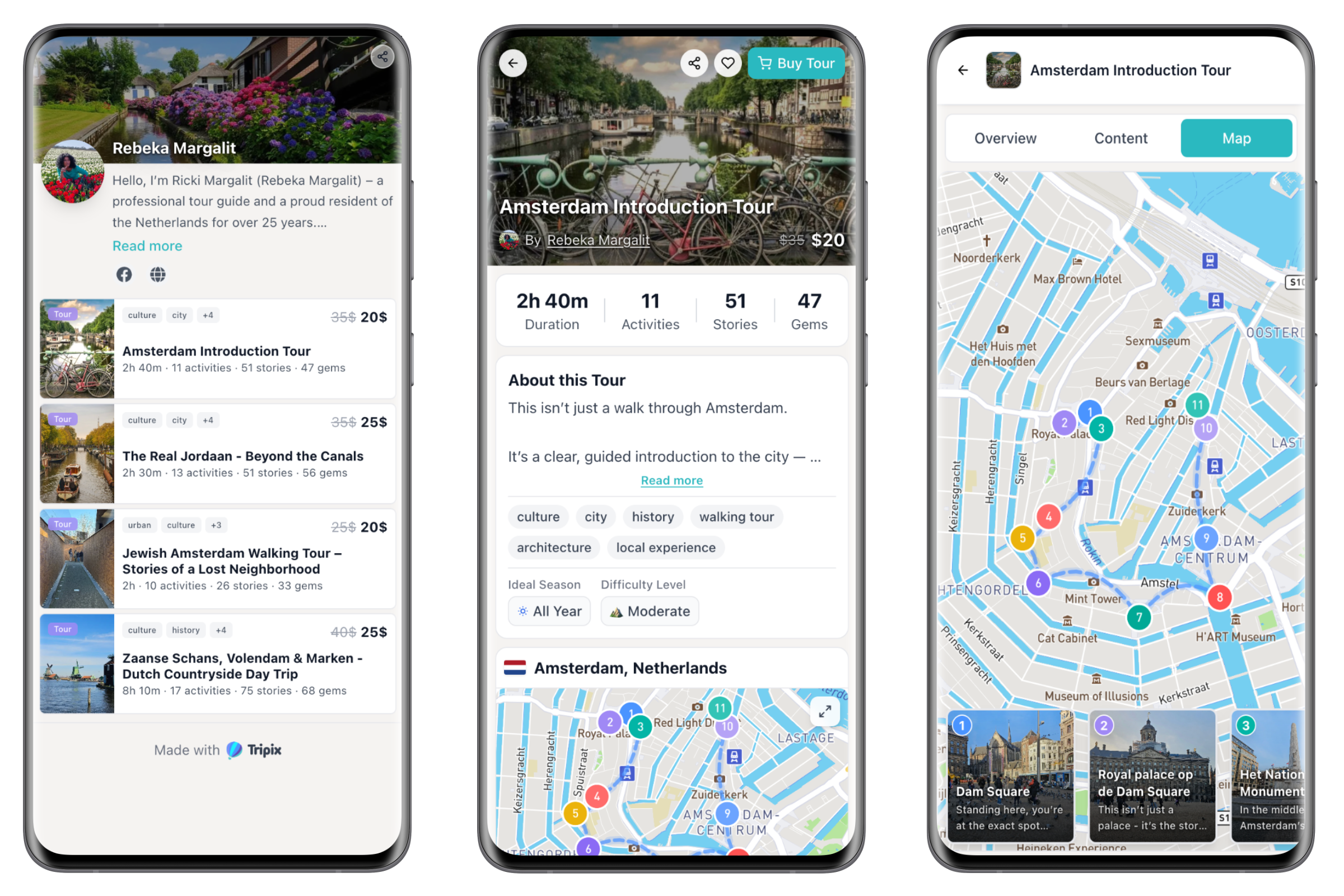
That's the difference between selling a file and owning a compounding asset. The first version doesn't have to be perfect — it has to be useful and alive. "Never finished" isn't a bug. For travel, it's the point.
Build a living product
Start with one guide. Keep improving it. Every buyer stays with you.
Start for free