
Your First Guide Doesn't Have to Be Perfect. It Has to Exist.

Elad Yaakov
Tripix Co-Founder and CEO
Last updated July 24, 2026
If you've thought about turning your travel knowledge into something people can buy, there's a good chance you've also talked yourself out of it. Not because you don't have the knowledge (you clearly do, people ask you for it constantly), but because of the questions that show up right before you'd actually publish something: Is this even good enough? Who's going to pay for this when I could just answer them for free? Where do I even start putting this together?
Those questions aren't a sign you're not ready. They're just what it feels like to make something and put a price on it for the first time. Almost everyone who's ever sold anything has felt some version of them. The problem isn't the feeling. It's treating it as a reason to wait.
The Version You're Waiting For Doesn't Need to Exist Yet
Here's the quiet assumption underneath most of this hesitation: that the first thing you publish has to be the right thing, complete, polished, defensible against anyone who might poke a hole in it. That's a reasonable instinct for a book or a film, where "done" means done. It's the wrong instinct for a travel guide, because a travel guide was never going to be static in the first place. Restaurants change. Prices move. You'll go back to a place and realize you'd write the recommendation differently now. None of that is a flaw in your first version. It's just what happens to travel information over time, whether you publish it or not.
So the real question isn't "is this good enough to be final." It's "is this good enough to be first." Those are very different bars. The first one keeps guides sitting in drafts folders for months. The second one just asks: does this answer the question people are already asking you? If yes, it's ready.
You've Already Cleared the Hardest Part
It's worth naming something that gets lost in the "who would even care" spiral: the caring already happened. If people are messaging you for your Japan itinerary, or commenting "save this" on your Lisbon post, or asking where you stayed before their own trip, that's not hypothetical interest, that's demand you can point to. You're not trying to convince strangers that your opinion is worth something. You're trying to make it easier for people who already believe that to get it from you in a form they can actually use and keep.
That reframes the fear a little. You're not launching a business idea into the void and hoping someone bites. You're packaging something that's already working (the advice, the recommendations, the "what would you do" answers) into a form that doesn't require you to retype it every time someone asks.
Where AI Actually Helps: Getting Past the Blank Page
The part of starting that has nothing to do with fear and everything to do with friction is the blank page itself: sitting down to structure a guide from scratch, organize a week's worth of recommendations into days, or turn a stream-of-consciousness voice memo into something readable. That's tedious in a way that has nothing to do with whether your knowledge is good.
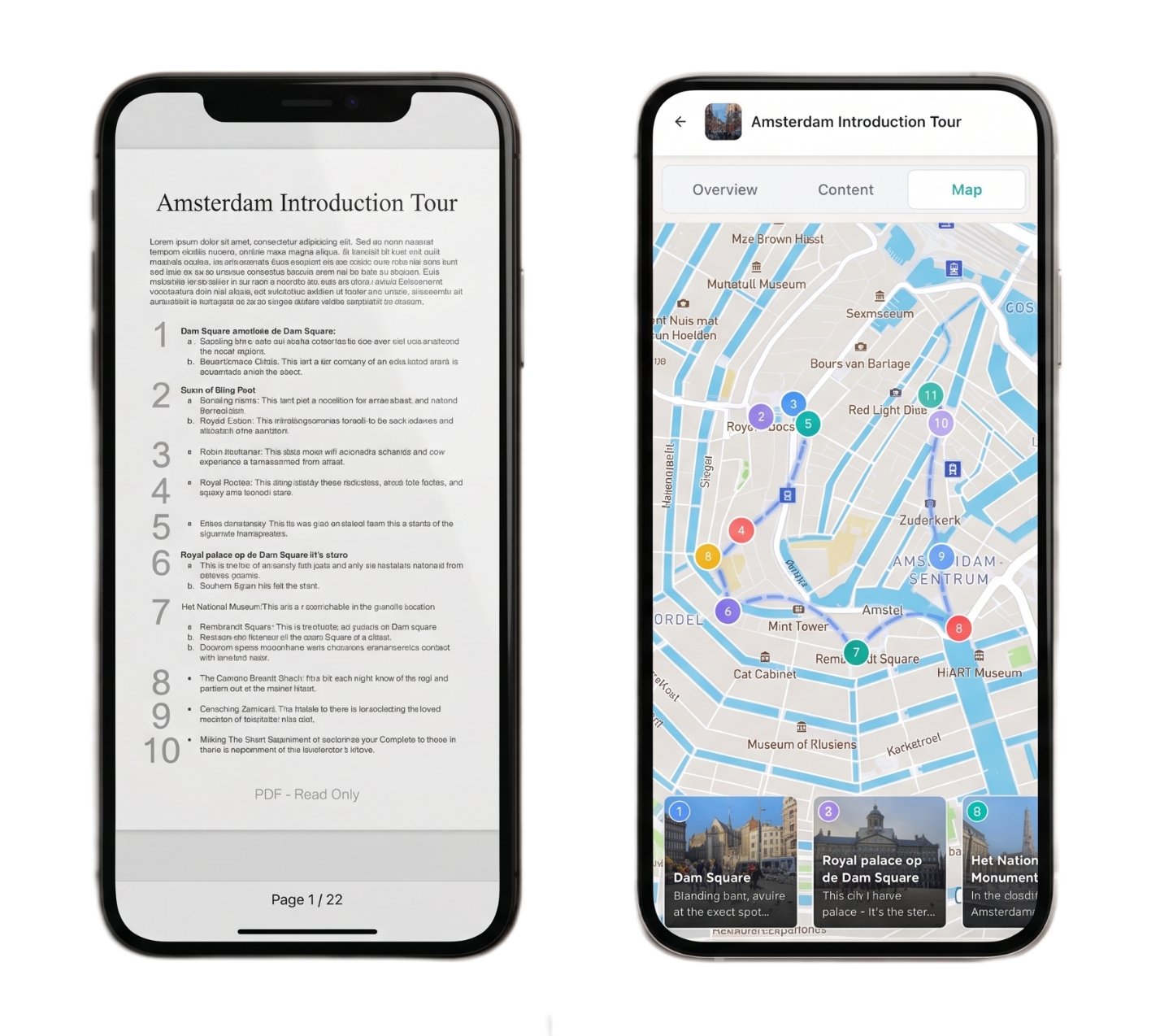
This is where Tripix's AI drafting actually helps, concretely: you describe what you're building, a destination, a format, a rough shape ("five days in Iceland," "where to eat in Lisbon by neighborhood"). It generates a real first draft: structured into the right format, pulling in actual places for that destination, organized the way people expect to read it. You're not starting from nothing, and you're not getting a generic template with placeholder text either. You're getting a working draft built from what you already know, that you then edit, cut, and make sound like you, because the opinions and specifics that make it worth paying for are still yours to add. It replaces the empty document, not your judgment.
That alone removes a big chunk of the "how do I even start" problem. What's left is smaller and much less scary: reading a draft and fixing what's wrong with it, which is a completely different task than staring at a blank page wondering where to begin.
Publish the Start, Not the Finish Line
This is the part that matters most, and it's the reason the pressure to be perfect is misplaced in the first place: a Tripix product isn't a file you hand someone once and never touch again. It's a listing you can keep editing after it's live: the guide our pillar guide on turning travel knowledge into a product calls treating the first version as a start, not a finish line applies just as much to your very first product as it does to your fifth.
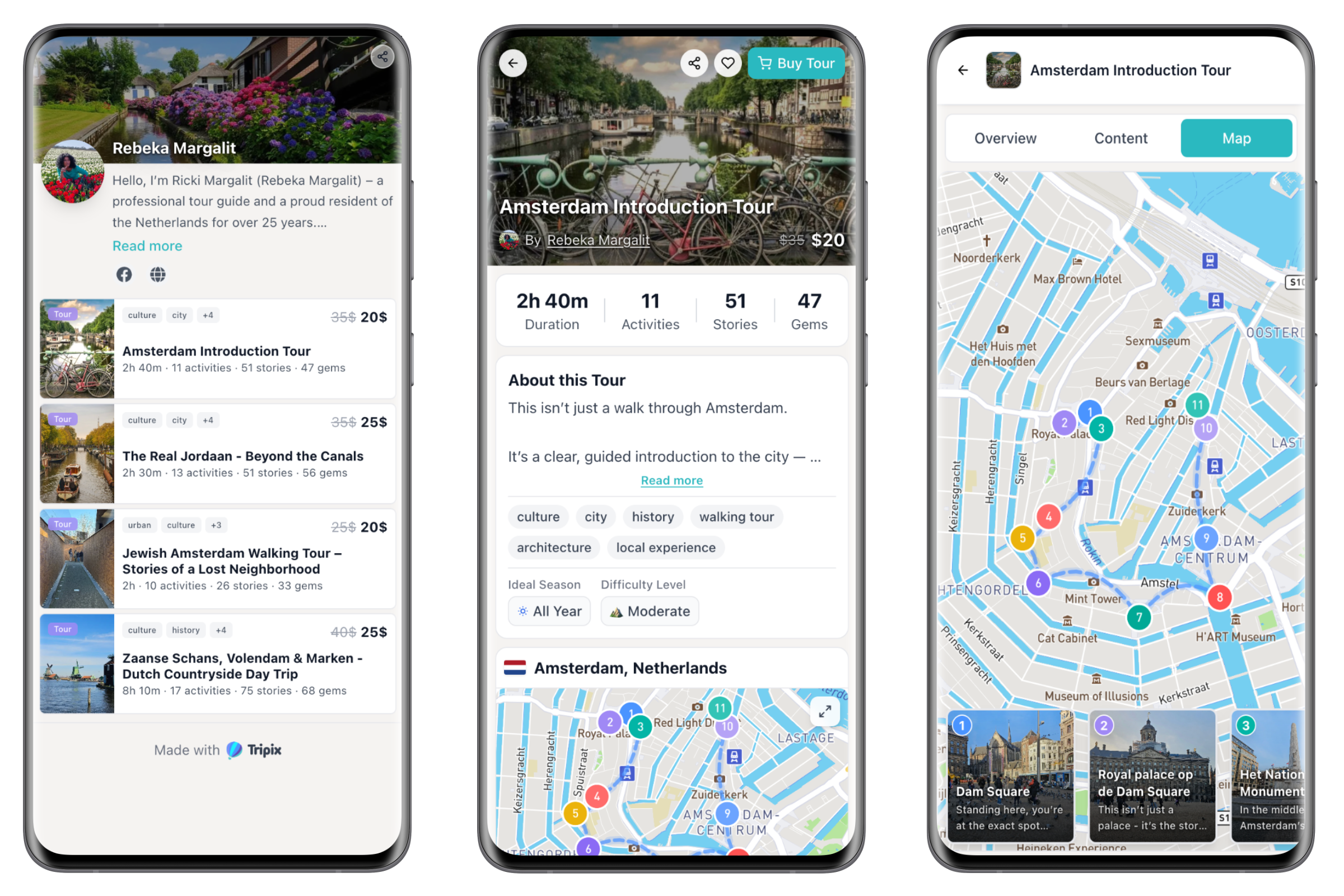
In practice, that changes what "publishing" actually commits you to. You're not signing off on a final, unchangeable statement of your travel opinions forever. You're putting out a working version, seeing what people actually ask about it, and folding that back in, the same way you'd naturally improve any answer you give more than once. If someone buys your guide and messages you asking about a neighborhood you didn't cover, that's not a flaw you have to live with. It's the next thing you add, and everyone who already bought it sees the update automatically.
That's a genuinely different relationship with your own first draft than "get it right or don't bother." It's closer to: get it useful, put it out, and let real questions from real buyers tell you what to build next. You already know how to do that. It's what you've been doing in your DMs for free. Publishing just gives that process somewhere to live, and a way to get paid for it while it happens.
Start Smaller Than You Think You Need To
If you're still stuck on where to begin, don't start with "everything I know about a destination." Start with the one question you've answered the most times. Not your best content, your most-repeated question. That's narrow enough to actually finish, specific enough that the people who already asked it will buy it, and honest: you're not claiming to have covered everything, just to have a real answer to the thing people keep asking.
Everything else (the neighborhoods you didn't get to, the year-two trip that changes your recommendation, the format you'll want to try next) can come later, because later is built into how this works. The only thing that has to happen now is getting a real, honest, first version in front of the people already asking for it.